


Summary of 2026 CSI Annual Meeting (18th CSI Congress of Immunology)
Source:CSI
2026-11-18
The 18th National Congress of Immunology, hosted by the Chinese Society for Immunology (CSI), was held from November 5 to 8, 2026, in Changsha, Hunan Province, China. The congress brought together more than 4,500 participants from China and abroad, including leading experts, researchers, clinicians, and early-career scientists in immunology and related disciplines.
Under the theme of advancing immunological research and its clinical applications, the congress provided a platform for scientific exchange across basic immunology, clinical medicine, and interdisciplinary research. Through plenary lectures, specialized forums, parallel sessions, poster presentations, and other academic activities, participants explored recent developments and emerging opportunities in immunology.
A Growing Platform for Academic Exchange
The congress received 1,418 abstracts covering 22 scientific topics. Following review by the Academic Committee, 420 abstracts were selected for oral presentations across 24 parallel sessions, while another 370 were presented as posters.
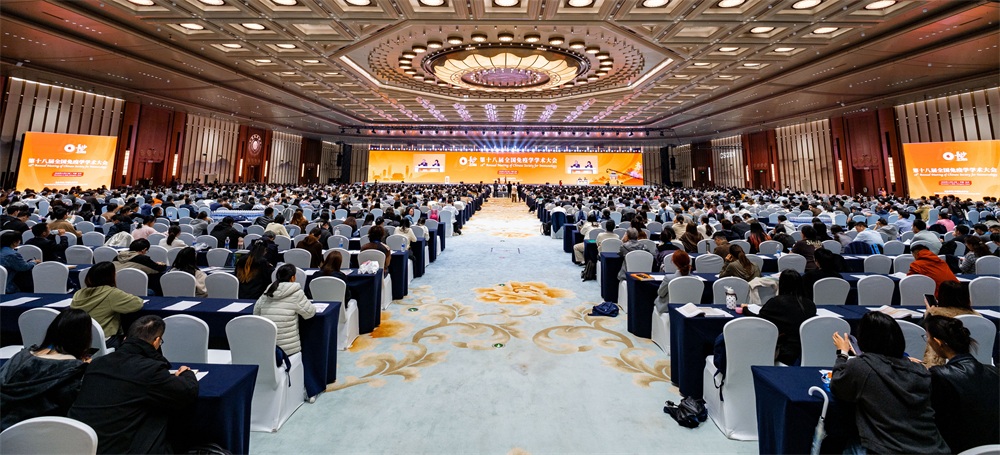
The diverse program offered researchers at different career stages opportunities to present their findings, discuss emerging scientific questions, and establish academic connections. By bringing together basic and clinical researchers, the congress also encouraged closer interaction between fundamental discoveries and their potential applications in medicine.
Plenary Lectures Highlight Advances in Immunology Worldwide
A total of 34 plenary lectures brought together prominent scientists from China and around the world.
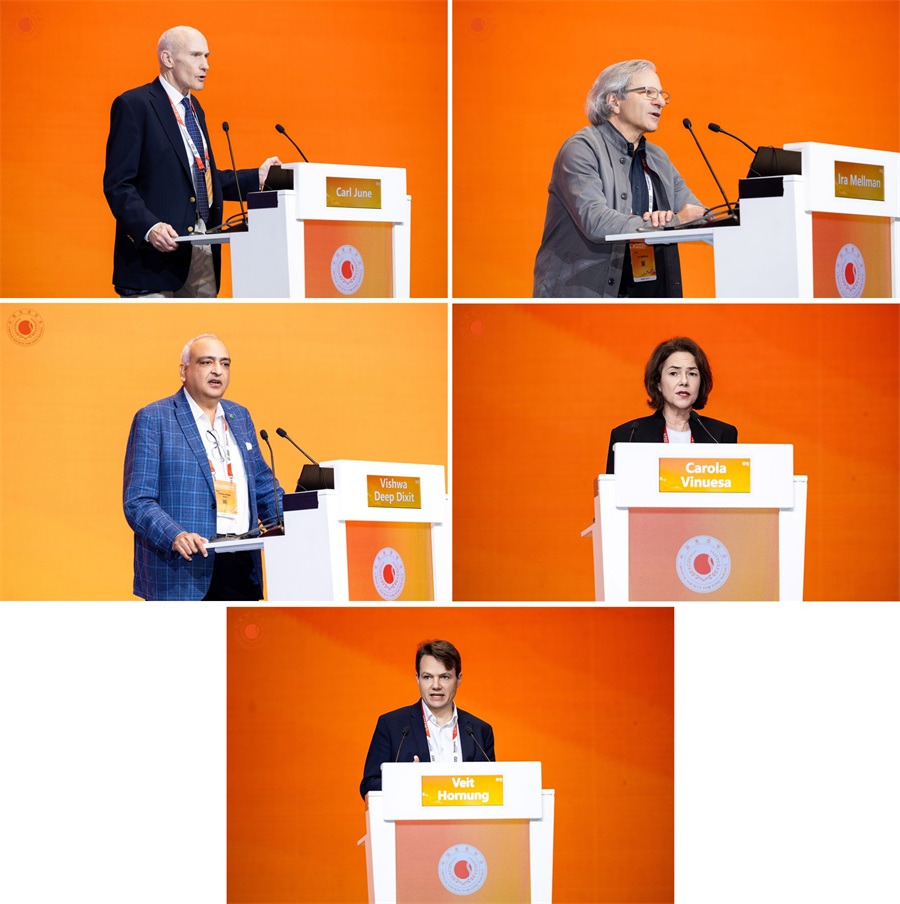
International invited speakers included Professor Carl June of the University of Pennsylvania and a member of the U.S. National Academy of Sciences; Professor Ira Mellman of the University of California, San Francisco, also a member of the U.S. National Academy of Sciences; Professor Vishwa Deep Dixit of Yale University; Professor Carola Vinuesa of the Francis Crick Institute and a Fellow of the Royal Society; and Professor Veit Hornung of Ludwig Maximilian University of Munich and a member of the German National Academy of Sciences.
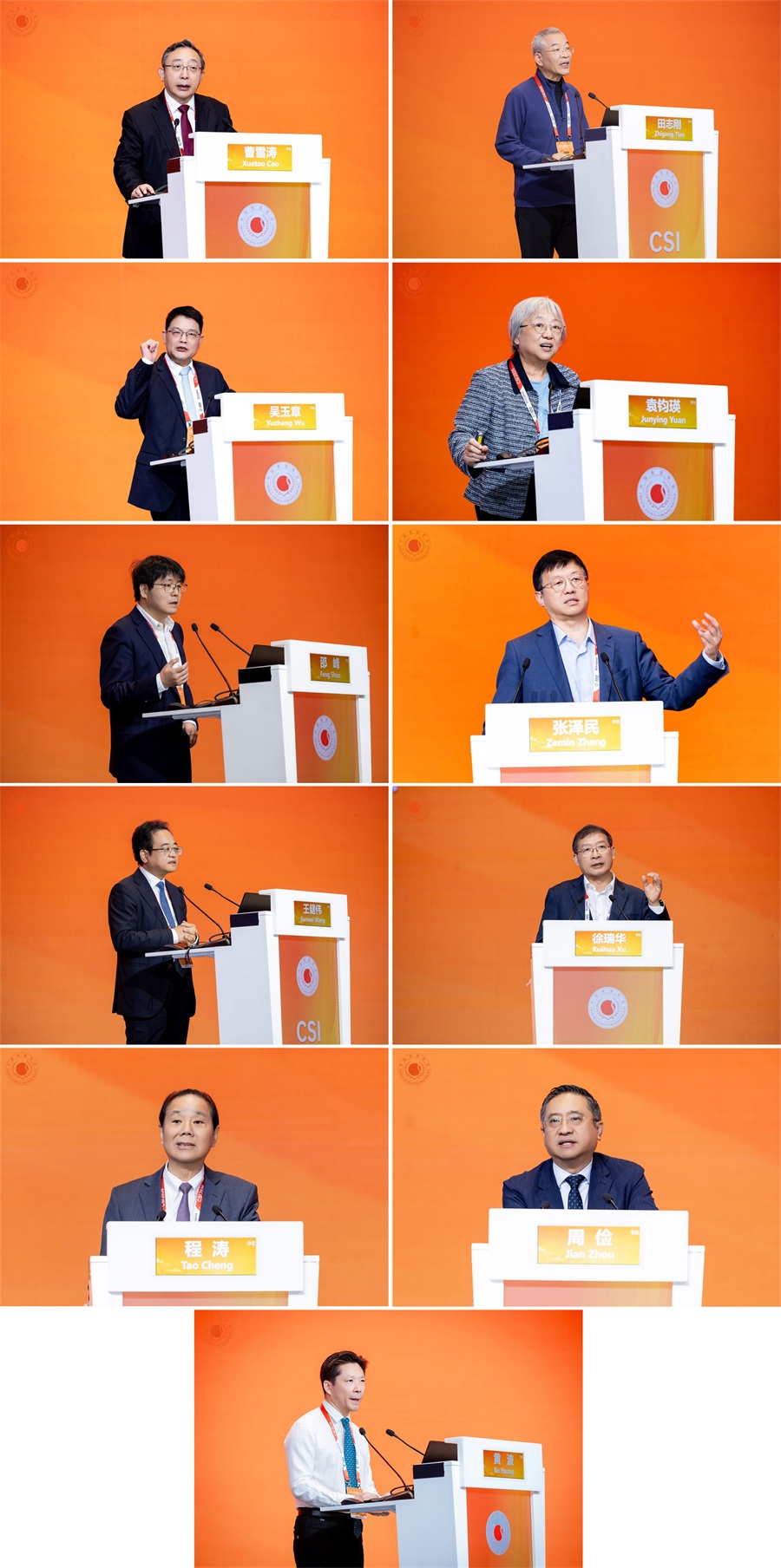
Leading Chinese scientists also delivered plenary lectures, including Professor Xuetao Cao, an academician of the Chinese Academy of Engineering; Professors Zhigang Tian, Yuzhang Wu, Jianwei Wang, Ruihua Xu, and Tao Cheng, the latter also an academician of the Chinese Academy of Engineering; as well as Professors Feng Shao, Zemin Zhang, and Jian Zhou, academicians of the Chinese Academy of Sciences. Other invited speakers included Professors Junying Yuan, Bo Huang, Shaocong Sun, Gensheng Feng, Genhong Cheng, and Hai Qi.
The lectures addressed a broad range of important topics, including CAR T-cell therapy and other engineered cell therapies, emerging strategies in cancer immunotherapy, immunosenescence and inflammation, systemic lupus erythematosus and autoantibodies, nucleic acid-driven innate immunity and cell death, pyroptosis, the tumor microenvironment, single-cell analysis, immunometabolism, infection and immunity, T-cell functional regulation, and the clinical translation of immunotherapies.
The exchange between international and Chinese speakers highlighted advances at the forefront of immunological research, as well as original discoveries and translational progress emerging from China. It also provided opportunities to strengthen international scientific dialogue and collaboration.
Parallel Sessions Explore a Broad Spectrum of Immunological Research
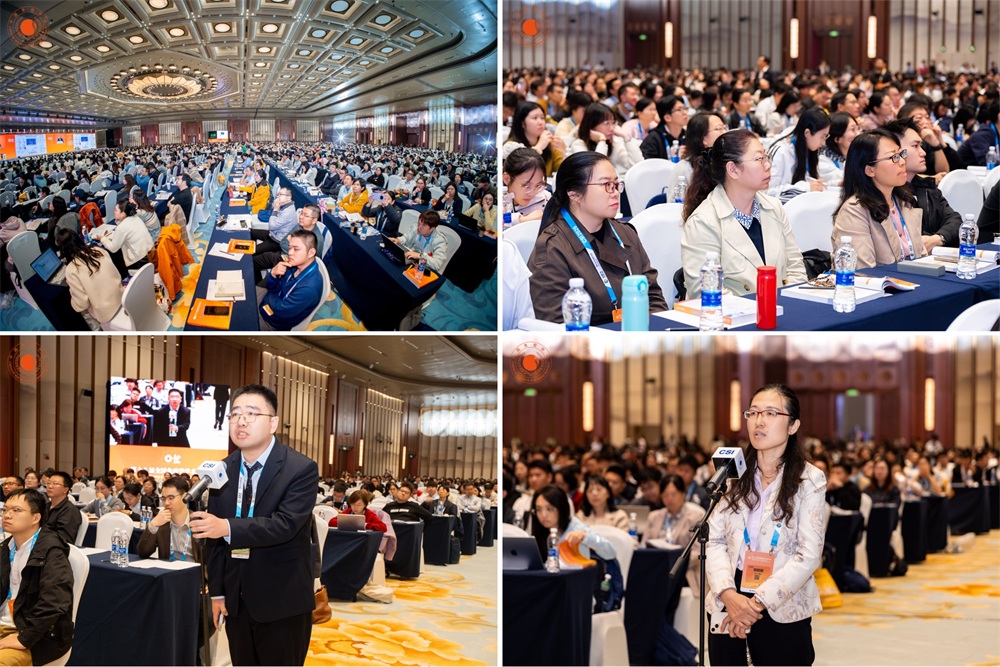
The 24 parallel sessions covered 22 scientific topics, reflecting the breadth and diversity of contemporary immunology.
Discussions addressed adaptive immune responses and immune cell development and differentiation; innate immune recognition and inflammatory responses; immune regulation and tolerance; immunometabolism; infection and immunity; tumor immune recognition and immune evasion; novel cancer immunotherapies; autoimmune diseases; transplantation immunology; hematological immunology; cardiovascular immunology; skin and mucosal immunity; respiratory immunology; neuroimmunology; reproductive immunology; vaccines and adjuvants; immunomodulation by traditional medicine; and immunological diagnosis and applications.
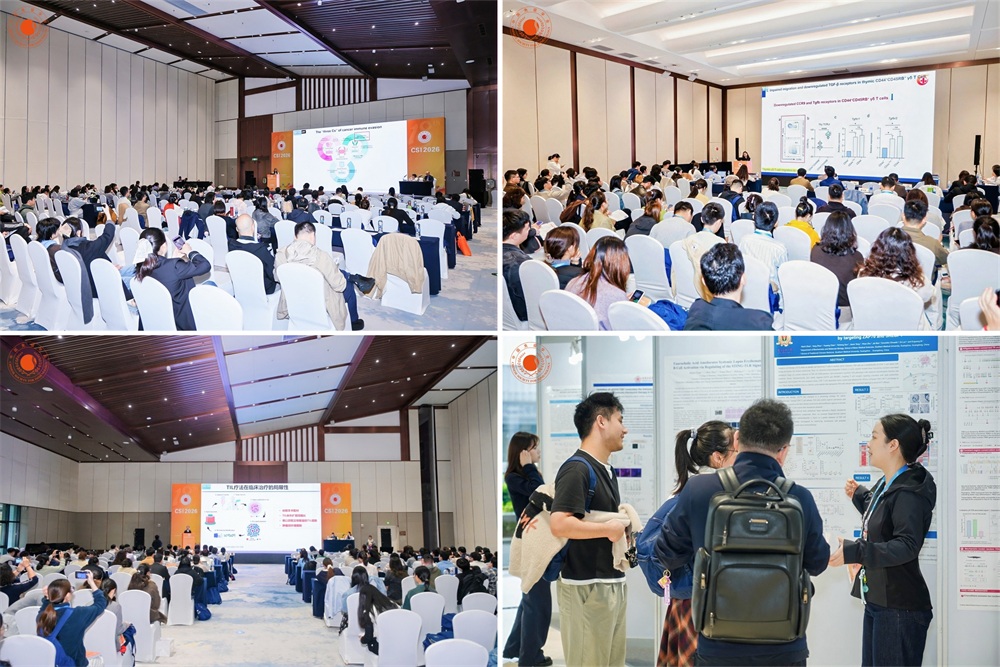
Interdisciplinary research received particular attention. Dedicated sessions explored the application of artificial intelligence in medical immunology education, new immunological technologies and their applications, and research at the intersection of immunology and other disciplines. These discussions reflected the growing integration of immunology with emerging technologies and clinical medicine.
Oral presentations and poster sessions provided opportunities for scientists to share new findings, exchange ideas, and discuss future research directions. They also offered early-career researchers valuable opportunities to present their work and engage with the wider scientific community.
Eight Pre-Congress Forums Showcase Emerging Areas and Young Talent
On November 5, eight pre-congress forums featured a total of 75 presentations. The forums covered a diverse range of topics:
• Hong Kong and Macao Forum
• Biomechanical Immunology Forum
• Neuroimmunology Forum
• Skin–Autoimmunity Forum
• Immunometabolism Forum
• Immune Cell Therapy Forum
• Young Innovators Forum
• International Young Immunologist Forum
The forums brought together experts and early-career researchers from China and abroad to share recent findings, discuss key scientific challenges, and explore technological innovation.
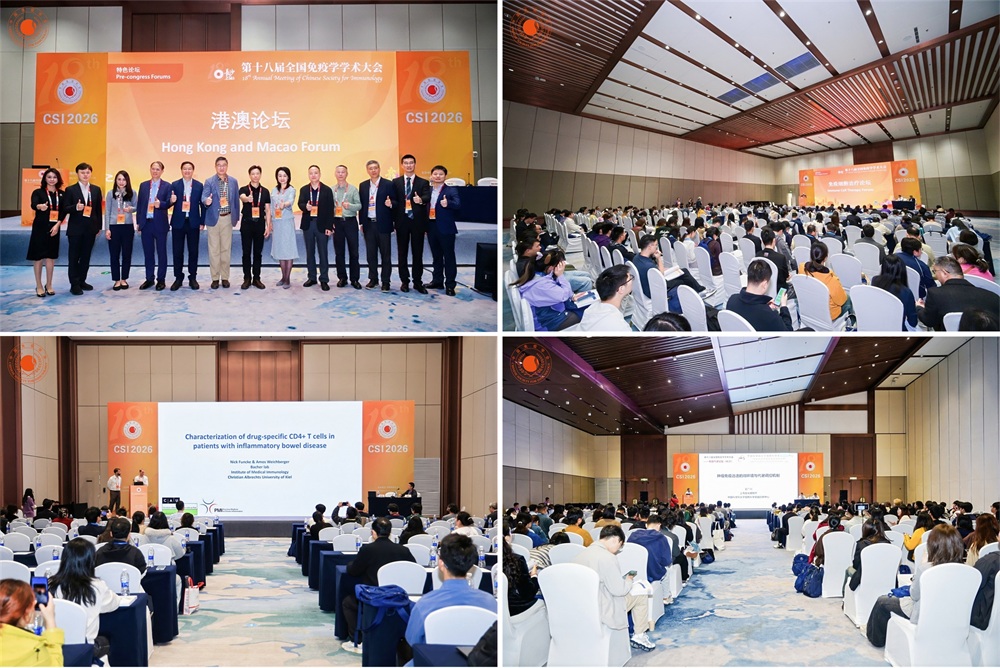
The Hong Kong and Macao Forum provided an opportunity to deepen academic exchange and collaboration between the mainland and the Hong Kong and Macao regions. The International Young Immunologist Forum and Young Innovators Forum, in particular, offered young researchers opportunities to present their work, exchange ideas with international peers, and develop new academic connections.
Complementing the main congress, these focused discussions enriched the scientific program and highlighted emerging directions in immunology.
The 14th CSI Academic Awards Recognize Scientific Excellence
The presentation ceremony for the 14th Chinese Society for Immunology Academic Awards was held during the opening ceremony.
Professor Zihe Rao of Tsinghua University received the Lifetime Achievement Award. Professor Yu Zhang of Peking University and Professor Yiwei Chu of Fudan University received the Distinguished Scholar Awards. Ten outstanding early-career scientists whose work has made important contributions to basic research and clinical applications received the Young Scholar Awards.
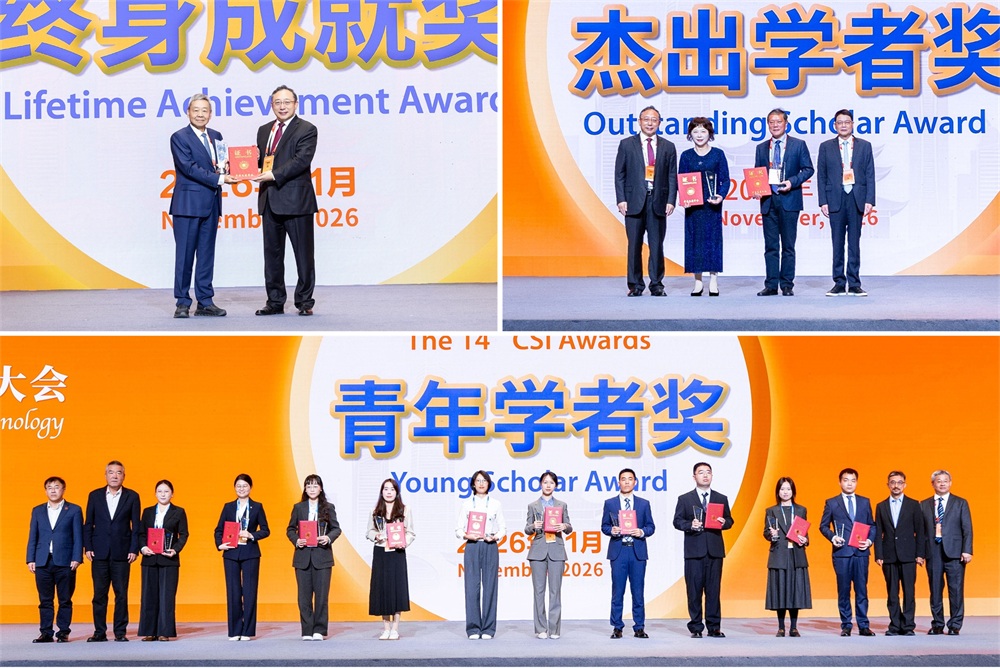
The awards recognize excellence and sustained contributions to immunological research. They also celebrate the spirit of scientific inquiry, encourage innovation, and support the development of the next generation of immunologists.
Meet the Editors and Industry Engagement
The popular “Meet the Editors” program returned to the congress, providing researchers with opportunities for direct discussion with editors from leading international scientific journals.
This year's participating editors included Zoltan Fehervari, Senior Editor at Nature; Xinyu Zhou, Associate Editor at Nature Biomedical Engineering; Ching-yu Huang, Editor-in-Chief for Immunology at Nature Communications; Chenqi Xu, Executive Editor at Cell Research; Zeljko Durdevic, Senior Editor at EMBO Molecular Medicine; and Yang Pu, Editorial Office Director of Immunity & Inflammation.
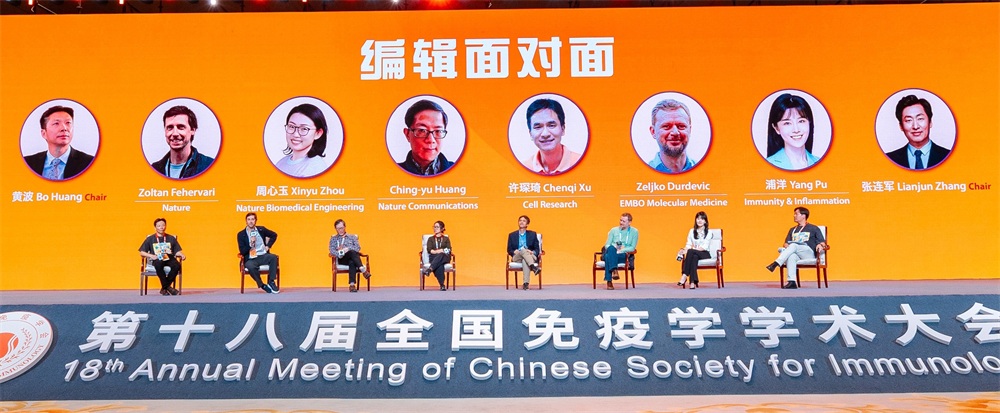
Discussions covered scientific publishing, manuscript preparation, journal development, and international communication of research findings. The sessions helped researchers, particularly early-career scientists, gain a better understanding of developments in academic publishing and how to communicate their work effectively to the international scientific community.
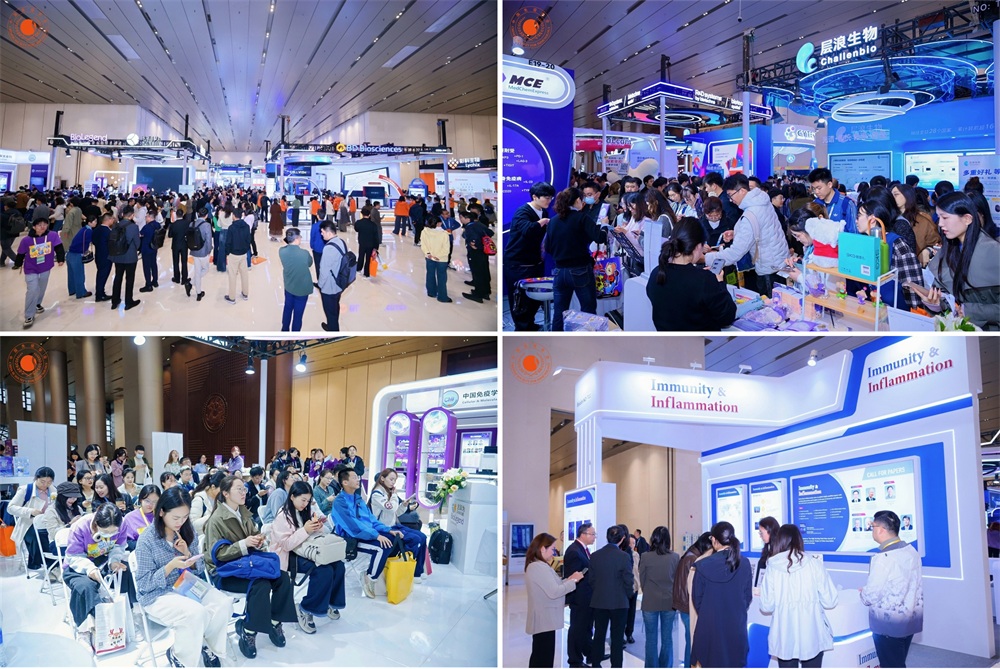
The congress also featured corporate exhibitions and industry satellite sessions. Biopharmaceutical companies, research instrument manufacturers, and technical service providers from China and abroad presented new technologies, products, and innovative solutions. These activities strengthened connections among the Society, research institutions, and industry, creating further opportunities for collaboration and the translation of scientific advances.
A Successful Congress and a Commitment to Future Collaboration
The congress was organized under the leadership of the Ninth Council and the Second Supervisory Board of the Chinese Society for Immunology, with planning and coordination by the Academic Committee and Organizing Committee. The Hunan Society for Immunology, Xiangya School of Medicine of Central South University, and the Second Xiangya Hospital of Central South University provided support.
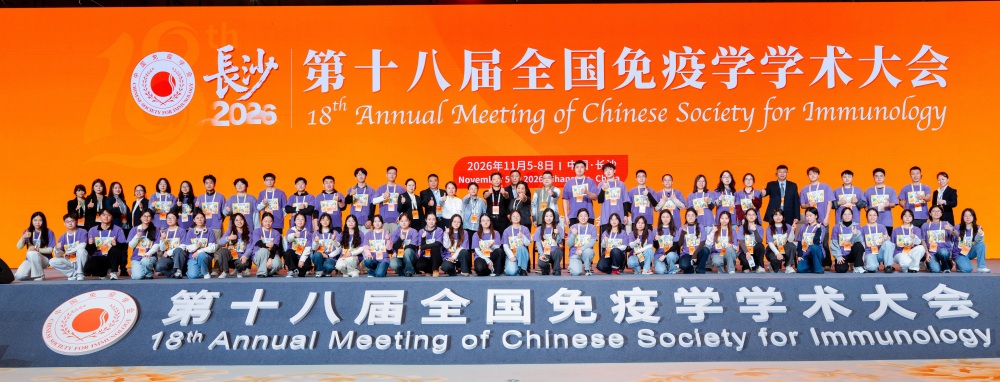
With coordinated efforts in registration, academic programming, guest reception, venue management, corporate exhibitions, volunteer services, and logistical arrangements, the congress was successfully held.
The 18th National Congress of Immunology provided a comprehensive overview of recent advances in immunological research in China and demonstrated the vitality and growing breadth of the discipline. More importantly, it strengthened academic exchange among researchers from different countries and regions and fostered connections across basic science, clinical practice, and industry.
The next National Congress of Immunology will be held in Xiamen in 2027. The Chinese Society for Immunology looks forward to welcoming colleagues from China and around the world to continue advancing immunological research and innovation, contributing to the Healthy China initiative and the progress of immunology worldwide.
Under the theme of advancing immunological research and its clinical applications, the congress provided a platform for scientific exchange across basic immunology, clinical medicine, and interdisciplinary research. Through plenary lectures, specialized forums, parallel sessions, poster presentations, and other academic activities, participants explored recent developments and emerging opportunities in immunology.
A Growing Platform for Academic Exchange
The congress received 1,418 abstracts covering 22 scientific topics. Following review by the Academic Committee, 420 abstracts were selected for oral presentations across 24 parallel sessions, while another 370 were presented as posters.
The diverse program offered researchers at different career stages opportunities to present their findings, discuss emerging scientific questions, and establish academic connections. By bringing together basic and clinical researchers, the congress also encouraged closer interaction between fundamental discoveries and their potential applications in medicine.
Plenary Lectures Highlight Advances in Immunology Worldwide
A total of 34 plenary lectures brought together prominent scientists from China and around the world.
International invited speakers included Professor Carl June of the University of Pennsylvania and a member of the U.S. National Academy of Sciences; Professor Ira Mellman of the University of California, San Francisco, also a member of the U.S. National Academy of Sciences; Professor Vishwa Deep Dixit of Yale University; Professor Carola Vinuesa of the Francis Crick Institute and a Fellow of the Royal Society; and Professor Veit Hornung of Ludwig Maximilian University of Munich and a member of the German National Academy of Sciences.
Leading Chinese scientists also delivered plenary lectures, including Professor Xuetao Cao, an academician of the Chinese Academy of Engineering; Professors Zhigang Tian, Yuzhang Wu, Jianwei Wang, Ruihua Xu, and Tao Cheng, the latter also an academician of the Chinese Academy of Engineering; as well as Professors Feng Shao, Zemin Zhang, and Jian Zhou, academicians of the Chinese Academy of Sciences. Other invited speakers included Professors Junying Yuan, Bo Huang, Shaocong Sun, Gensheng Feng, Genhong Cheng, and Hai Qi.
The lectures addressed a broad range of important topics, including CAR T-cell therapy and other engineered cell therapies, emerging strategies in cancer immunotherapy, immunosenescence and inflammation, systemic lupus erythematosus and autoantibodies, nucleic acid-driven innate immunity and cell death, pyroptosis, the tumor microenvironment, single-cell analysis, immunometabolism, infection and immunity, T-cell functional regulation, and the clinical translation of immunotherapies.
The exchange between international and Chinese speakers highlighted advances at the forefront of immunological research, as well as original discoveries and translational progress emerging from China. It also provided opportunities to strengthen international scientific dialogue and collaboration.
Parallel Sessions Explore a Broad Spectrum of Immunological Research
The 24 parallel sessions covered 22 scientific topics, reflecting the breadth and diversity of contemporary immunology.
Discussions addressed adaptive immune responses and immune cell development and differentiation; innate immune recognition and inflammatory responses; immune regulation and tolerance; immunometabolism; infection and immunity; tumor immune recognition and immune evasion; novel cancer immunotherapies; autoimmune diseases; transplantation immunology; hematological immunology; cardiovascular immunology; skin and mucosal immunity; respiratory immunology; neuroimmunology; reproductive immunology; vaccines and adjuvants; immunomodulation by traditional medicine; and immunological diagnosis and applications.
Interdisciplinary research received particular attention. Dedicated sessions explored the application of artificial intelligence in medical immunology education, new immunological technologies and their applications, and research at the intersection of immunology and other disciplines. These discussions reflected the growing integration of immunology with emerging technologies and clinical medicine.
Oral presentations and poster sessions provided opportunities for scientists to share new findings, exchange ideas, and discuss future research directions. They also offered early-career researchers valuable opportunities to present their work and engage with the wider scientific community.
Eight Pre-Congress Forums Showcase Emerging Areas and Young Talent
On November 5, eight pre-congress forums featured a total of 75 presentations. The forums covered a diverse range of topics:
• Hong Kong and Macao Forum
• Biomechanical Immunology Forum
• Neuroimmunology Forum
• Skin–Autoimmunity Forum
• Immunometabolism Forum
• Immune Cell Therapy Forum
• Young Innovators Forum
• International Young Immunologist Forum
The forums brought together experts and early-career researchers from China and abroad to share recent findings, discuss key scientific challenges, and explore technological innovation.
The Hong Kong and Macao Forum provided an opportunity to deepen academic exchange and collaboration between the mainland and the Hong Kong and Macao regions. The International Young Immunologist Forum and Young Innovators Forum, in particular, offered young researchers opportunities to present their work, exchange ideas with international peers, and develop new academic connections.
Complementing the main congress, these focused discussions enriched the scientific program and highlighted emerging directions in immunology.
The 14th CSI Academic Awards Recognize Scientific Excellence
The presentation ceremony for the 14th Chinese Society for Immunology Academic Awards was held during the opening ceremony.
Professor Zihe Rao of Tsinghua University received the Lifetime Achievement Award. Professor Yu Zhang of Peking University and Professor Yiwei Chu of Fudan University received the Distinguished Scholar Awards. Ten outstanding early-career scientists whose work has made important contributions to basic research and clinical applications received the Young Scholar Awards.
The awards recognize excellence and sustained contributions to immunological research. They also celebrate the spirit of scientific inquiry, encourage innovation, and support the development of the next generation of immunologists.
Meet the Editors and Industry Engagement
The popular “Meet the Editors” program returned to the congress, providing researchers with opportunities for direct discussion with editors from leading international scientific journals.
This year's participating editors included Zoltan Fehervari, Senior Editor at Nature; Xinyu Zhou, Associate Editor at Nature Biomedical Engineering; Ching-yu Huang, Editor-in-Chief for Immunology at Nature Communications; Chenqi Xu, Executive Editor at Cell Research; Zeljko Durdevic, Senior Editor at EMBO Molecular Medicine; and Yang Pu, Editorial Office Director of Immunity & Inflammation.
Discussions covered scientific publishing, manuscript preparation, journal development, and international communication of research findings. The sessions helped researchers, particularly early-career scientists, gain a better understanding of developments in academic publishing and how to communicate their work effectively to the international scientific community.
The congress also featured corporate exhibitions and industry satellite sessions. Biopharmaceutical companies, research instrument manufacturers, and technical service providers from China and abroad presented new technologies, products, and innovative solutions. These activities strengthened connections among the Society, research institutions, and industry, creating further opportunities for collaboration and the translation of scientific advances.
A Successful Congress and a Commitment to Future Collaboration
The congress was organized under the leadership of the Ninth Council and the Second Supervisory Board of the Chinese Society for Immunology, with planning and coordination by the Academic Committee and Organizing Committee. The Hunan Society for Immunology, Xiangya School of Medicine of Central South University, and the Second Xiangya Hospital of Central South University provided support.
With coordinated efforts in registration, academic programming, guest reception, venue management, corporate exhibitions, volunteer services, and logistical arrangements, the congress was successfully held.
The 18th National Congress of Immunology provided a comprehensive overview of recent advances in immunological research in China and demonstrated the vitality and growing breadth of the discipline. More importantly, it strengthened academic exchange among researchers from different countries and regions and fostered connections across basic science, clinical practice, and industry.
The next National Congress of Immunology will be held in Xiamen in 2027. The Chinese Society for Immunology looks forward to welcoming colleagues from China and around the world to continue advancing immunological research and innovation, contributing to the Healthy China initiative and the progress of immunology worldwide.
